© 2026 Euforia Digital, All rights reserved

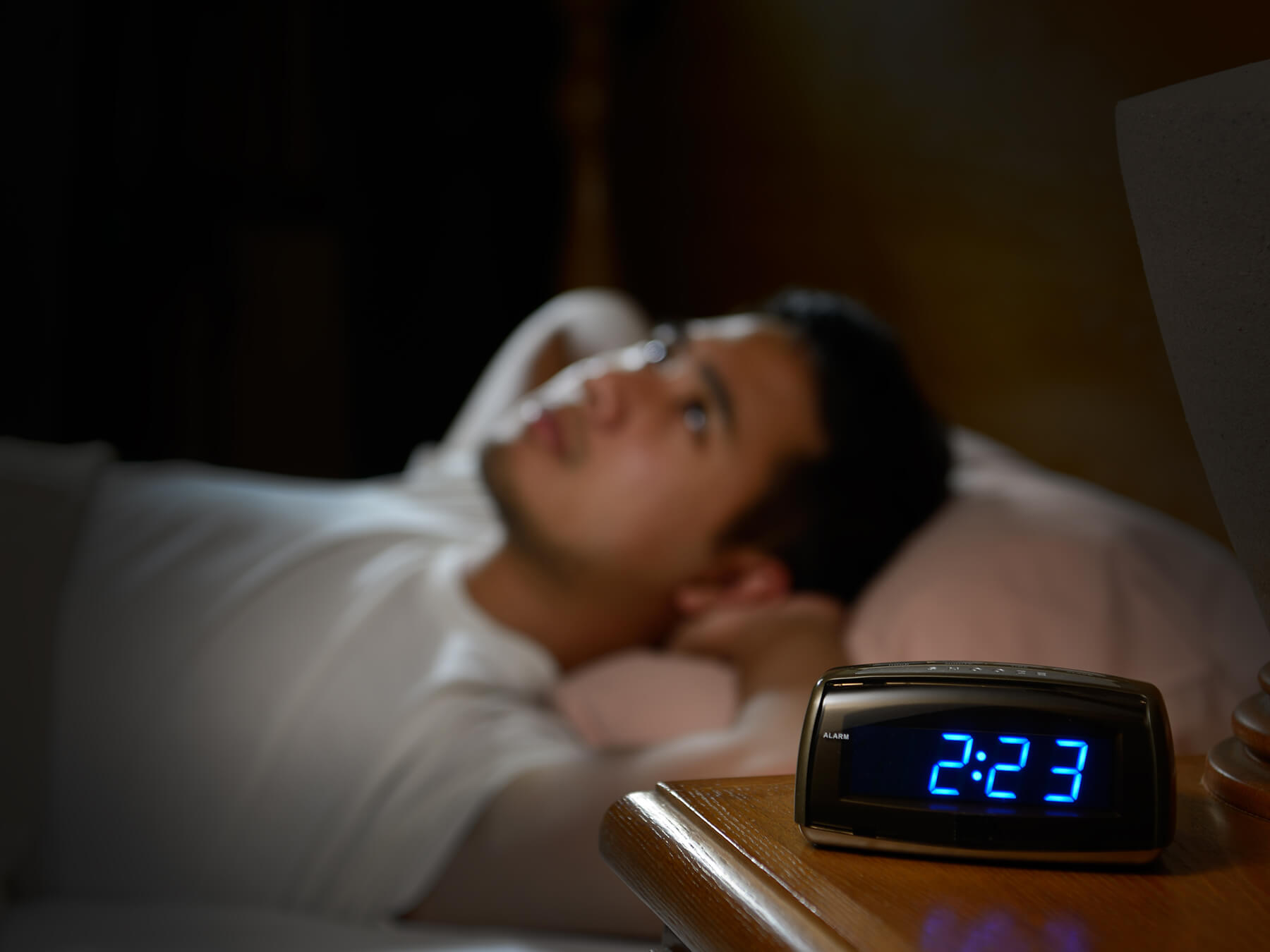
You fall asleep normally. The room is quiet, your body is tired, and everything feels like it is finally slowing down. But then, sometimes in the middle of the night, something shifts. You suddenly wake up – not calmly, but with a strange sense of alertness. Your heart may be beating faster, your mind already active, and a subtle feeling of anxiety or unease spreads through your body. Even if there is no clear reason, your nervous system feels switched on, as if something important is happening. In that moment, it can feel confusing and unsettling. You might wonder why your body is awake when everything around you is still resting. Nighttime anxiety and sudden awakenings are more common than they seem, and they are often connected not to external danger, but to how the nervous system processes stress during sleep.
Sleep is not a completely “off” state for the brain. Throughout the night, your nervous system cycles through different phases of rest and activation. In a healthy state, these cycles remain balanced, allowing the body to recover and reset. However, when the nervous system is under stress, this balance can shift. The body may remain more alert than usual, even during sleep. As a result, you may wake up suddenly during lighter sleep phases with a sense of activation already present. In many cases, this is the nervous system briefly switching into a state of alertness during the night.
One of the key factors behind nighttime anxiety is cortisol, a hormone closely linked to stress and alertness. Under normal conditions, cortisol levels follow a daily rhythm. They are higher in the morning to help you wake up and gradually decrease throughout the day so the body can relax at night. But when stress is chronic or emotional pressure is ongoing, this rhythm can become disrupted. Cortisol may rise at unusual times, including during the night, which can cause sudden awakenings accompanied by anxiety or restlessness. This is not a conscious process – it is the body responding automatically to perceived internal stress.
Nighttime awakenings often feel worse because the environment is completely quiet. Without external distractions, the mind naturally turns inward. This is when unresolved thoughts, worries, or emotional tension can become more noticeable. The brain may start scanning for explanations, trying to understand why you woke up, which can unintentionally increase anxiety. In this state, even neutral thoughts can begin to feel significant, creating a loop where awareness of being awake increases alertness further.
People who experience nighttime anxiety often report a combination of physical and emotional sensations that appear suddenly upon waking. These can include a racing heart, shallow breathing, tightness in the chest, restlessness, or a sense of unease without a clear cause. Emotionally, there may be fear, confusion, or a feeling of being “on edge” despite being in a safe environment. These sensations are the body’s stress response temporarily activating during sleep transitions.
Waking up anxious at night can feel alarming, but it is not a sign that something is seriously wrong. It is usually a reflection of an overactive or sensitive nervous system responding to accumulated stress. The body is not malfunctioning – it is reacting. And reactions can be influenced by many factors, including emotional load, sleep quality, daily stress levels, and overall nervous system regulation. Understanding this can help reduce the fear that often intensifies the experience.
When you wake up feeling anxious, the goal is not to force sleep immediately, but to help the nervous system return to a state of safety. One of the most effective ways to do this is by slowing down the breath. Gentle, extended exhalations can signal to the body that the immediate stress response is no longer needed. Instead of trying to control the experience, it is often more helpful to focus on calming the physical sensations first.
Another helpful approach is grounding through the senses. Noticing the weight of your body on the bed, the texture of the blanket, or the stillness of the room can help reorient attention back to the present moment. This shifts the nervous system away from internal alarm signals.
One of the most important aspects of managing nighttime anxiety is removing pressure around sleep itself. Trying too hard to fall back asleep can sometimes increase alertness, because it introduces urgency into a system that is already activated. Instead, allowing the body to rest without forcing sleep can gradually create the conditions for sleep to return naturally. Even quiet resting without sleep still supports recovery.
Waking up anxious in the middle of the night can feel unsettling, especially when there is no clear reason for it. But these moments are often the result of a nervous system that is still processing stress and learning how to return to balance. Your body is not working against you. It is trying to regulate itself in the only way it knows how in that moment. With time, awareness, and gentle regulation practices, these nighttime awakenings can become less intense and less frequent. And even when they happen, they can begin to feel more manageable – like temporary waves passing through, rather than something to fear.